
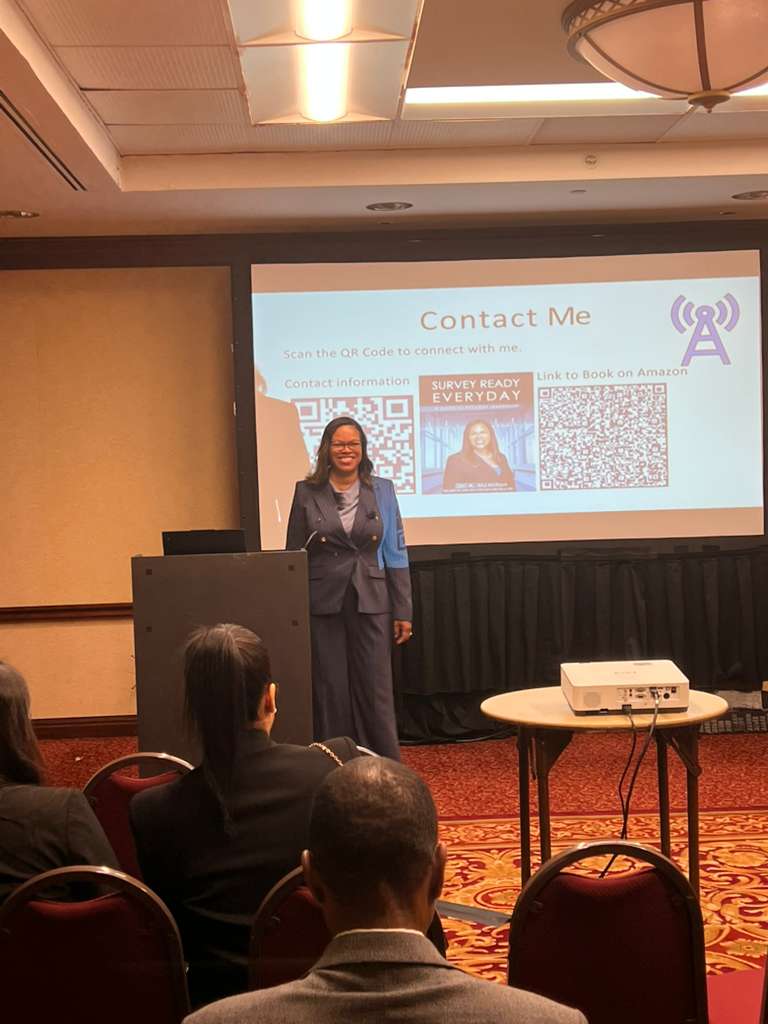
Maintaining a safe and compliant healthcare environment is one of the most critical responsibilities for any medical facility. From hospitals to long-term care centers, infection prevention plays a direct role in patient safety, staff well-being, and overall operational success. As healthcare standards continue to evolve, many facilities are turning to expert guidance to strengthen their infection control practices. Partnering with an experienced infection control consultant in Florida healthcare providers can rely on can bring a significant transformation. These professionals offer specialized knowledge, structured strategies, and ongoing support that help organizations reduce risks and improve compliance.
The Role of Infection Control in Modern Healthcare
Infection control is no longer limited to basic hygiene practices. It has become a comprehensive system that includes risk assessment, policy development, staff training, and continuous monitoring.
Healthcare-associated infections (HAIs) remain a major concern, often leading to:
- Extended patient stays
- Increased treatment costs
- Regulatory penalties
- Damage to a facility’s reputation
By implementing strong infection prevention measures, healthcare organizations can protect patients while improving operational efficiency.
Identifying Gaps and Improving Systems
One of the key contributions of an infection control consultant is identifying weaknesses in existing systems. Many facilities may already have protocols in place, but gaps in execution or outdated procedures can reduce their effectiveness.
Consultants conduct detailed evaluations that include:
- Reviewing current infection control policies
- Observing staff practices
- Assessing sanitation and hygiene procedures
- Analyzing infection data and trends
Based on these insights, they provide actionable recommendations that address specific challenges within the facility.
Developing Customized Infection Prevention Strategies
Every healthcare environment has unique requirements, and a one-size-fits-all approach is rarely effective. Consultants design tailored strategies that align with the facility’s size, services, and patient population.
Customized plans may include:
- Updated infection control protocols
- Enhanced cleaning and disinfection processes
- Improved patient flow management
- Isolation and containment procedures
These targeted solutions ensure that facilities can implement changes efficiently without disrupting daily operations.
Strengthening Staff Training and Awareness
Even the most advanced infection control systems depend on proper execution by staff members. Training is essential to ensure that healthcare professionals understand and follow established protocols.
Consultants provide structured training programs that focus on:
- Hand hygiene best practices
- Proper use of personal protective equipment (PPE)
- Safe patient handling techniques
- Emergency response procedures
Ongoing education helps reinforce these practices and keeps staff updated on the latest guidelines.
Enhancing Leadership and Team Performance
Strong leadership is a key factor in maintaining effective infection control practices. When leaders actively support and enforce protocols, staff are more likely to follow them consistently.
Facilities often benefit from sessions led by a nurse leadership speaker Florida organizations trust to guide teams toward better coordination and accountability. These sessions focus on:
- Building leadership confidence
- Improving communication among staff
- Encouraging accountability and responsibility
- Creating a culture of safety and compliance
Effective leadership ensures that infection prevention becomes an integral part of daily operations rather than a checklist item.
Data-Driven Monitoring and Continuous Improvement
Modern infection control relies heavily on data to track progress and identify potential risks. Consultants implement monitoring systems that provide real-time insights into infection trends and compliance levels.
Key advantages include:
- Early detection of potential outbreaks
- Accurate reporting for regulatory requirements
- Measurable performance improvements
- Informed decision-making based on data
Regular audits and reviews ensure that facilities continue to improve and adapt to changing healthcare standards.
Long-Term Impact on Healthcare Facilities
The benefits of working with an infection control consultant extend far beyond immediate improvements. Facilities that invest in expert guidance often experience lasting positive outcomes, such as:
- Reduced infection rates
- Lower operational costs
- Improved patient satisfaction
- Better inspection and audit results
- Increased staff confidence and efficiency
These long-term advantages contribute to a stronger, more reliable healthcare system.
Organizations like J.A.D. Infection Control Experts provide comprehensive consulting services that combine technical expertise with practical solutions. Their approach helps healthcare facilities achieve sustainable improvements in both safety and compliance.
Building a Culture of Safety and Excellence
Transforming a healthcare facility requires more than updated protocols—it involves creating a culture where safety is a shared responsibility. Infection control consultants play a vital role in fostering this mindset across all levels of the organization.
This includes:
- Encouraging consistent adherence to protocols
- Promoting open communication among teams
- Supporting continuous learning and improvement
- Reinforcing accountability at every level
When safety becomes part of the organizational culture, facilities are better equipped to handle challenges and maintain high standards.
Conclusion
Healthcare facilities across Florida face increasing pressure to maintain strict infection control standards while delivering quality patient care. Partnering with an experienced consultant provides the expertise and structure needed to meet these demands effectively.
Through customized strategies, staff training, leadership development, and data-driven monitoring, facilities can significantly improve their infection prevention efforts. With the support of trusted professionals like J.A.D. Infection Control Experts, organizations can transform their operations and create safer environments for both patients and staff.
FAQs
1. What does an infection control consultant do?
An infection control consultant evaluates healthcare practices, identifies risks, and implements strategies to reduce infections and improve compliance.
2. How can a consultant improve patient safety?
By introducing effective protocols, staff training, and monitoring systems, consultants help reduce infection risks and enhance overall safety.
3. Are infection control services suitable for small facilities?
Yes, consultants provide customized solutions that can be adapted to facilities of all sizes, including small clinics and nursing homes.
4. How often should infection control audits be conducted?
Regular audits are recommended, typically quarterly or annually, depending on the facility’s needs and regulatory requirements.
5. What role does leadership play in infection prevention?
Strong leadership ensures protocols are followed consistently and fosters a culture of accountability and safety.
6. Can consulting services help with regulatory compliance?
Yes, infection control consultants assist facilities in meeting state and federal guidelines, preparing them for inspections and audits.